
As organisations embrace digital transformation, adoption of low-code platforms like Microsoft Power Platform has surged, enabling teams to streamline processes, automate workflows and innovate faster. To utilise the full potential of this platform while maintaining governance and scalability, a Power Platform Centre of Excellence (CoE) becomes critical.
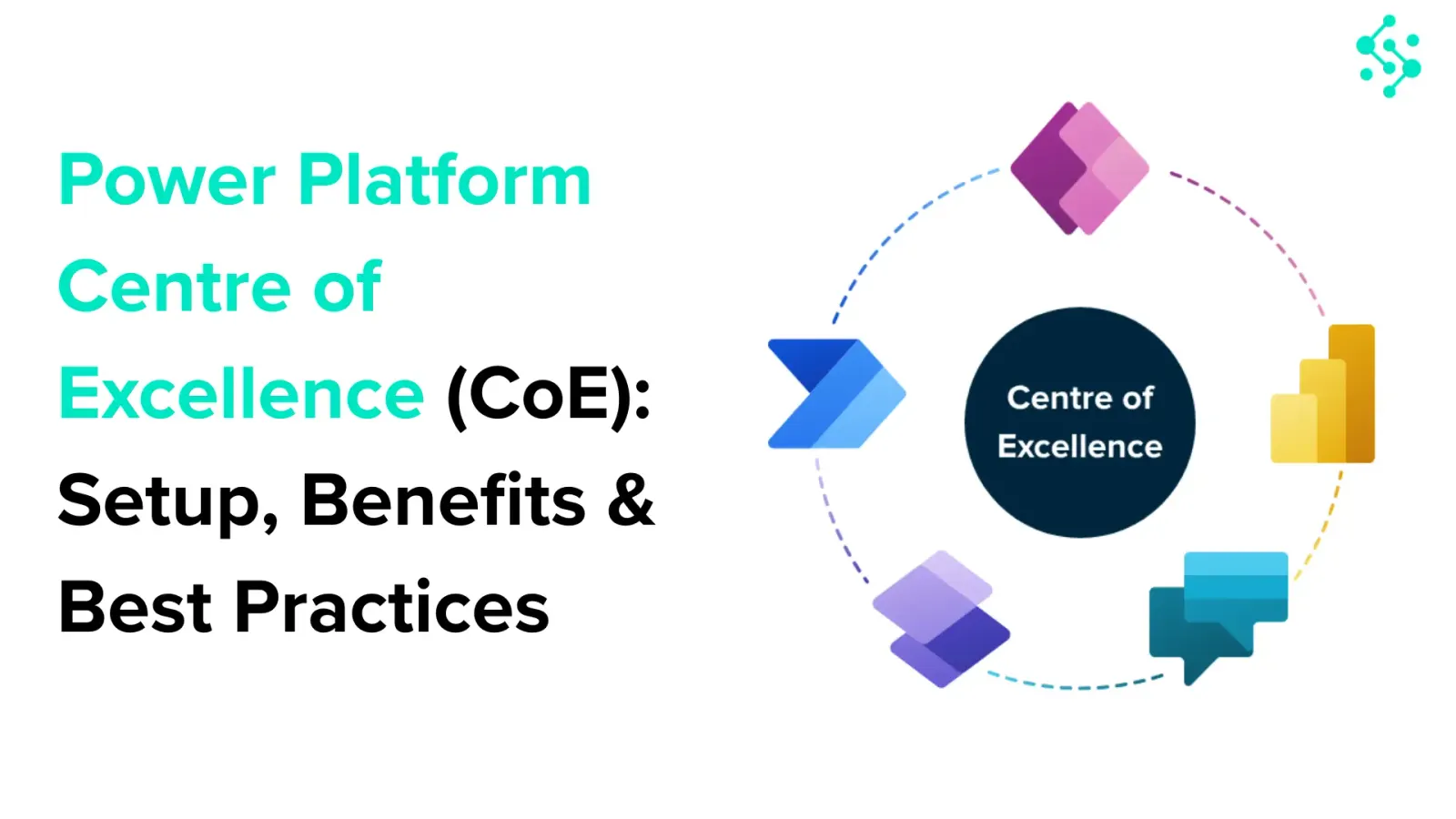
A CoE is more than just a support team — it is the strategic backbone that ensures consistency, promotes innovation, and encourages a culture of continuous improvement across Power Apps, Power Automate, Power BI and Copilot Studio.
Define Your Vision and Objectives
Before setting up a CoE, define a clear vision and set of objectives. Goals might range from driving citizen development to ensuring compliance with organisational standards. Well-defined KPIs help track success and direct CoE activities. Include governance around AI use, defining how Copilot can be used in app-building, automation and data analysis.
Best practice: involve stakeholders from across departments to align the CoE with broader organisational priorities.
Build a Cross-Functional Team
A successful CoE is built on collaboration. The team should include IT, business analysts, developers and Power Platform champions from different departments. Managed Environments simplify CoE oversight with built-in analytics, sharing controls and solution monitoring in the Power Platform Admin Center.
Best practice: identify Power Platform champions who can advocate, train colleagues and provide support.
Establish Governance and Security Policies
As citizen development grows, it's vital to balance empowering users with controlling data security and compliance. The CoE should create policies for app development, data access and usage that ensure governance without stifling innovation. Useful levers include:
- Managed Environments for improved control and reporting
- Environment routing and sharing controls
- Integration with Microsoft Purview for data classification
- AI policy management for Copilot usage
Create a Knowledge Repository
A CoE should be a hub of knowledge. Centralise best practices, guidelines, training resources and reusable components, including templates, code snippets and workflows that can be easily reused. SharePoint or Viva Topics work well, and Copilot in Microsoft Teams helps users find resources conversationally.
Encourage Continuous Learning and Innovation
The Power Platform is constantly evolving. Encourage a culture of continuous learning: run "Copilot Labs" or AI learning initiatives, host hackathons and innovation days where users can showcase their apps. Set up a mentorship program where experienced users can guide new adopters.
Monitor Performance and Adoption
Track adoption and performance of solutions across the organisation. Use Power BI to create dashboards that monitor usage metrics, app performance and business impact. These insights help refine strategies, identify improvements and promote successful use cases.
The Bottom Line
A well-run CoE turns Power Platform from a patchwork of citizen-built apps into a strategic, governed capability that drives measurable business value — safely.