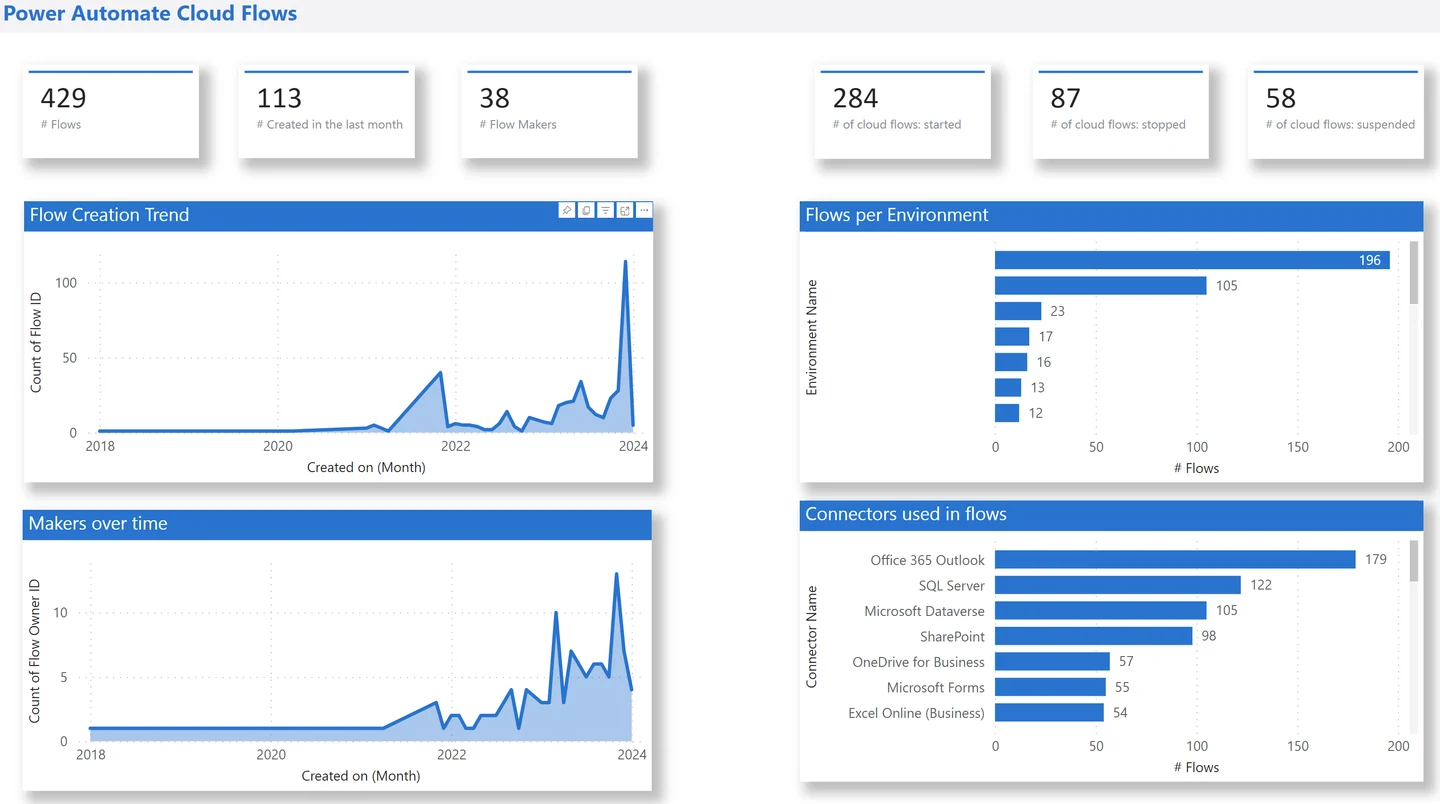
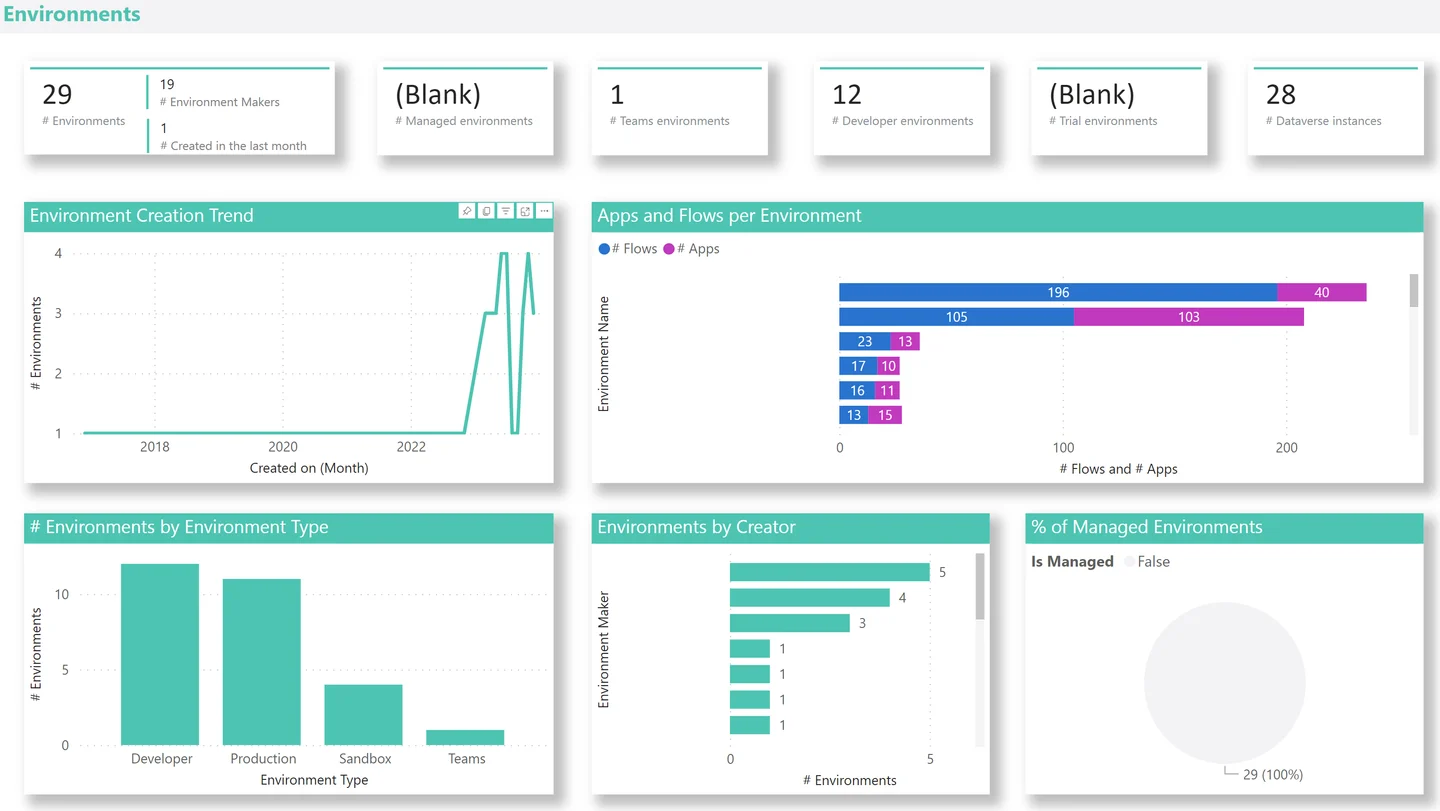
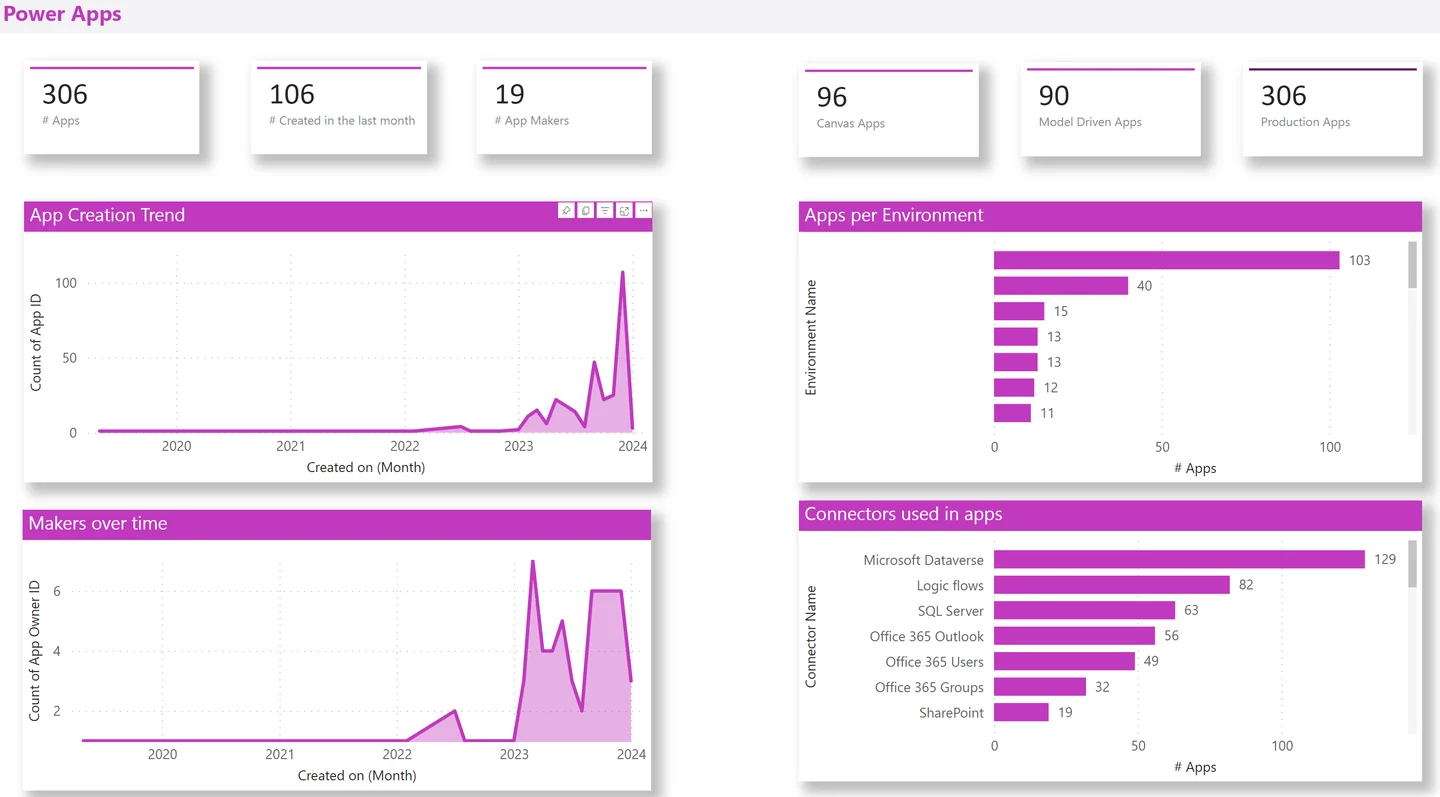
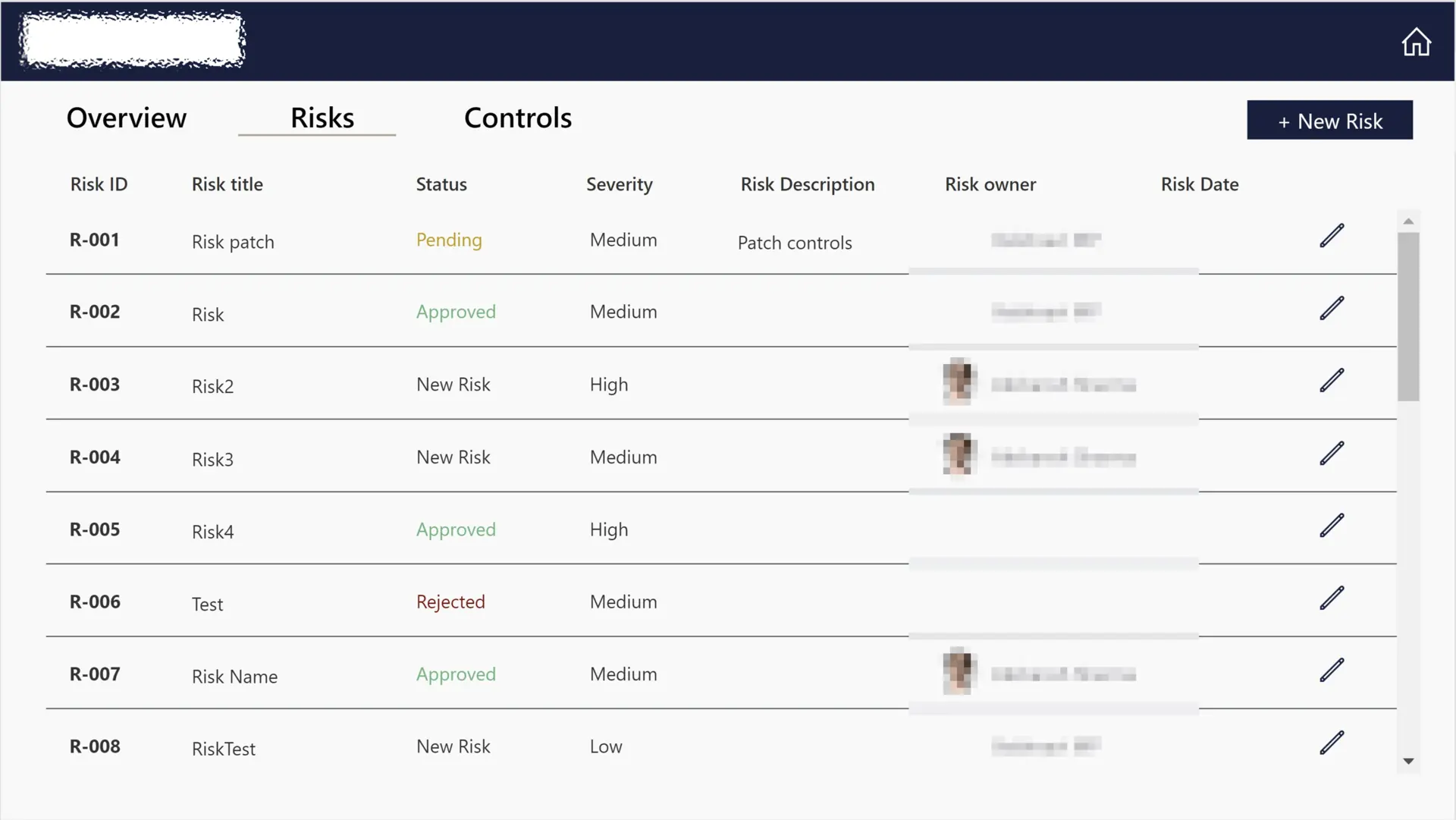
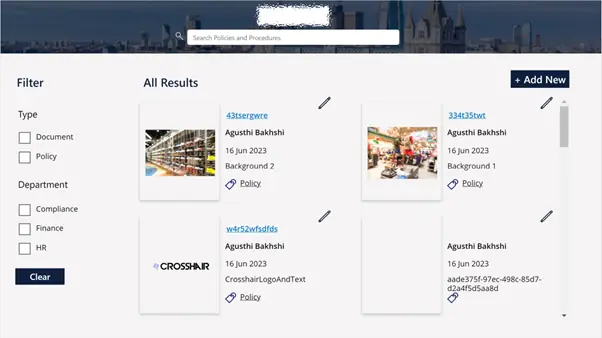
Low-code success has a predictable second act: the platform takes off, and suddenly IT is being asked who owns which app, what data each flow touches, and why the licence bill keeps growing. This page covers the answer. A Power Platform Centre of Excellence gives your organisation the visibility, standards and processes to govern citizen development at scale, without smothering it.
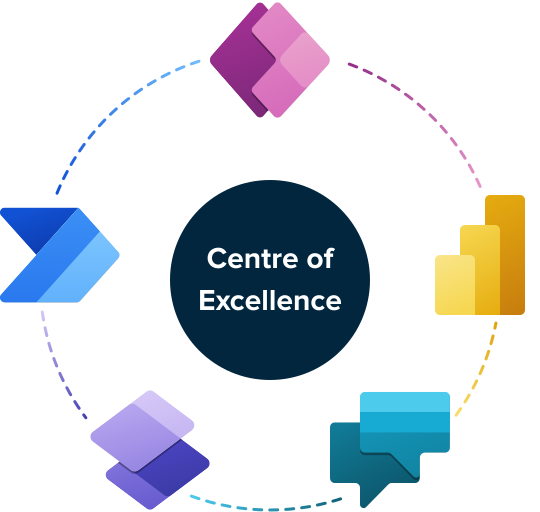
The CoE sets standards, shares what works between teams, keeps solutions compliant and points platform investment at business goals. It is people and process as much as tooling, and done well it is the reason a thousand-app estate stays governable with a team of three.
The financial case is often the surprise. A CoE is usually pitched as risk management, and it is, but the same visibility that catches ungoverned apps also catches licensing waste, duplicate solutions and oversized capacity. The Fidelis Partnership saves over £60,000 a year in licensing costs through the CoE we built together, alongside a 30% increase in reporting capacity.
And a word for the makers: a good CoE is not the department that says no. Sprawl is what success looks like before governance arrives, so we design CoEs that give citizen developers guardrails, training and a route to production, rather than a list of things they are no longer allowed to build.
Increasingly the CoE also has a new tenant to govern: agents. Copilot Studio makes building an agent as easy as building an app once was, which means the governance question arrives just as fast. We extend the same disciplines (ownership, environments, DLP, monitoring) to the agent estate before it becomes the new sprawl, so the lessons of the low-code wave only need learning once.